
CCEI Empowering Farmers to Stop AMR at Its Source
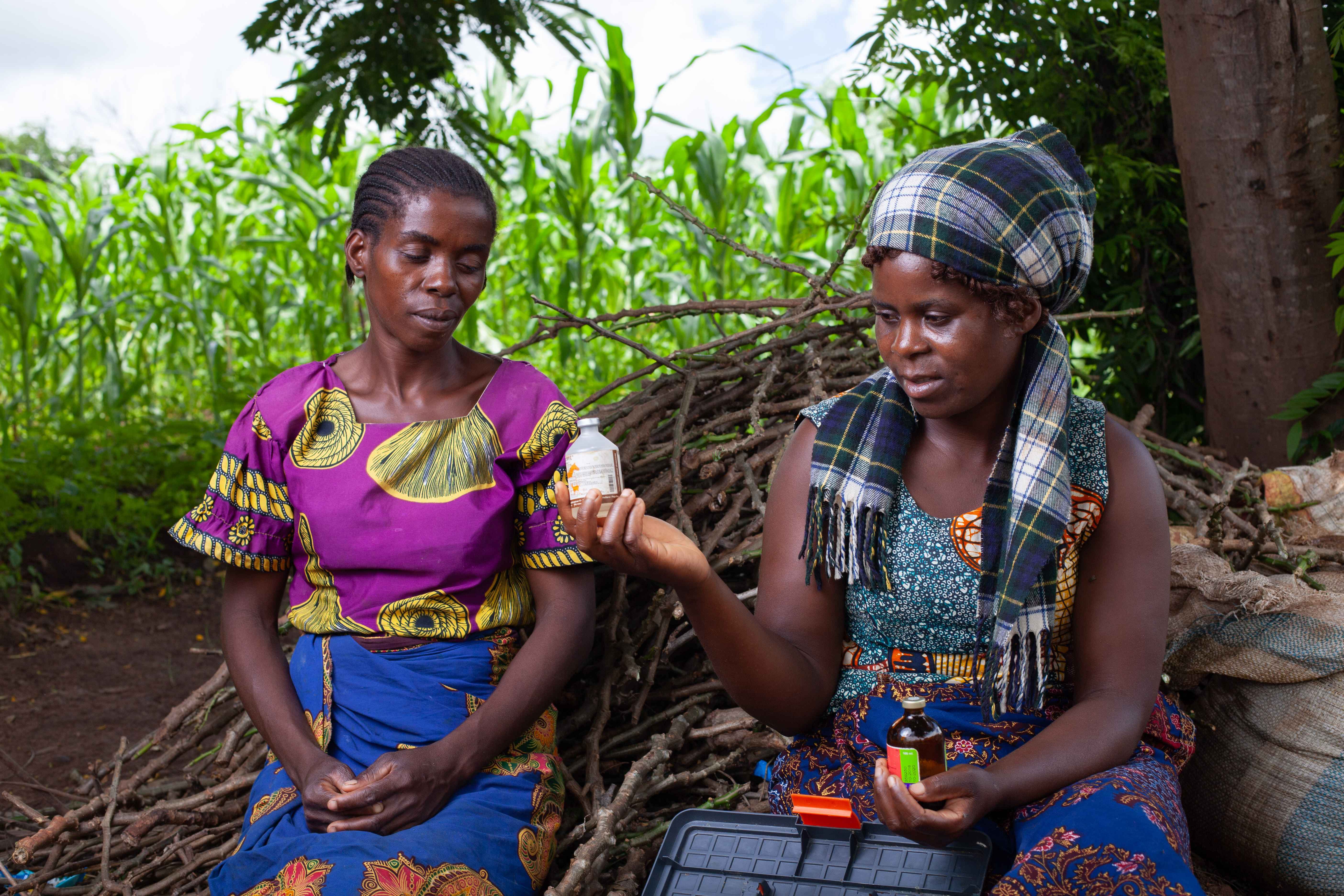
According to World Bank data, drug-resistant infections caused substantial global mortality in 2019, contributing to an estimated 5 million deaths, with nearly 1.3 million of these directly attributable to Antimicrobial Resistance (AMR). The World Bank had already warned in 2017 that, if left unchecked, AMR could reduce global GDP by 3.8% annually by 2050 and push an additional 28 million people into poverty. More recent projections from the EcoAMR Series indicate that antibiotic-resistant infections could result in more than 39 million deaths between 2025 and 2050 unless urgent action is taken. The economic consequences are equally severe: losses in livestock production alone could reach $950 billion, while the spread of resistant pathogens from animals to humans may impose an added global cost of up to $5.2 trillion. These burdens will disproportionately affect the world’s poorest populations, particularly those living in low- and middle-income countries. In recognition of the global threat posed by AMR, countries around the world commemorate World Antimicrobial Awareness Week each year from 18–24 November. The rapid rise of antimicrobial resistance continues to outpace the development of new, effective treatments, underscoring the need for targeted interventions. CCEI acknowledges the critical role of informed livestock farmers in combating AMR. With support from VSF International and the AFAS Foundation, CCEI is implementing the Herds for Empowerment Project. Under this project, CCEI has trained 1317 livestock farmers on AMR, emphasising that livestock systems are a major pathway for AMR transmission. Strengthening farmers’ knowledge on improved livestock management and responsible use of antibiotics is therefore essential, both to protect animal health and to safeguard human health and the environment. CCEI promotes technologies that prevent animals from infections, such as routine animal vaccination, improved livestock feeding and housing, and ensuring that farms have good biosecurity and hygiene measures.