
Building Resilient Livestock Communities Through Skills and Training
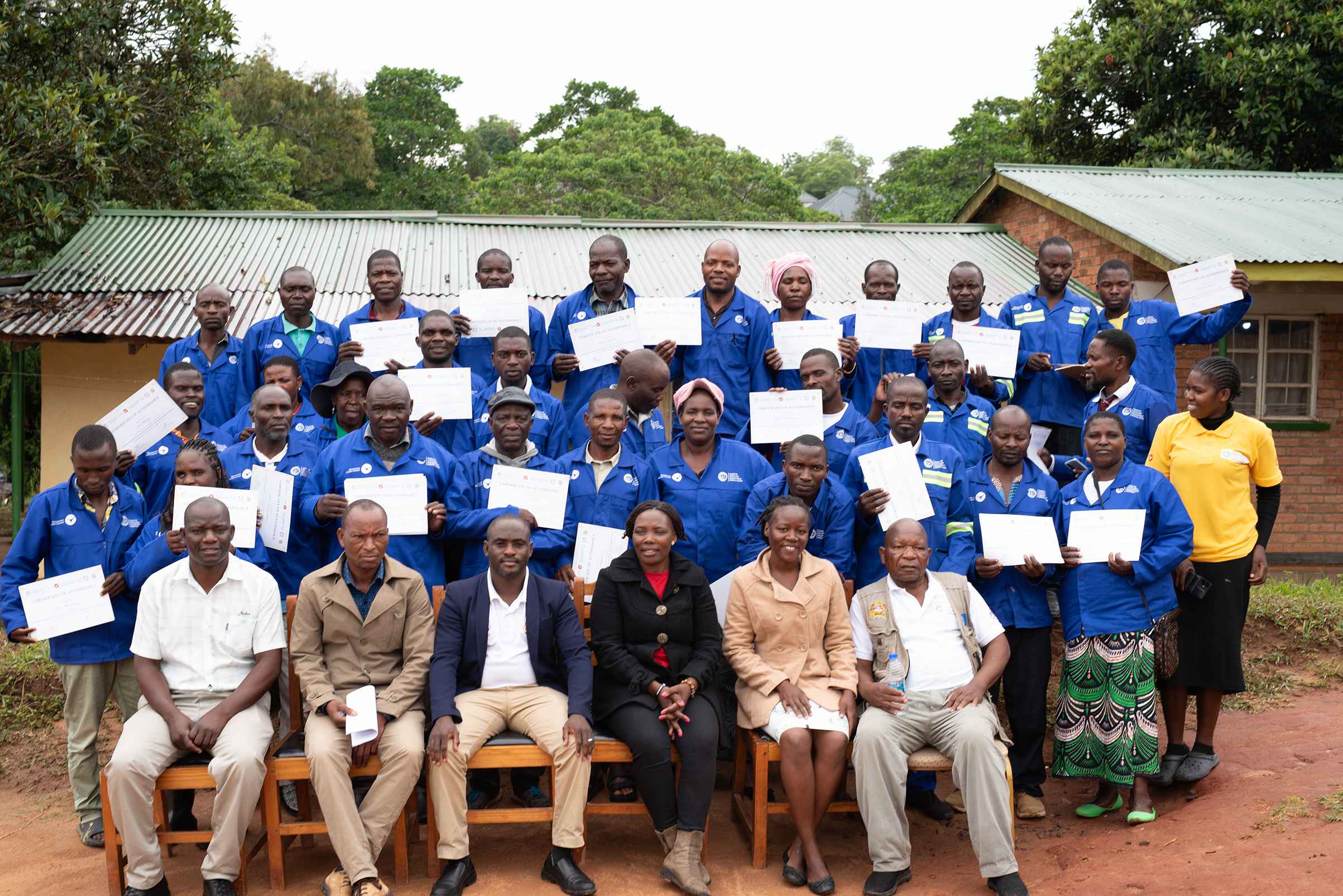
CCEI, working hand in hand with the Department of Animal Health and Livestock Development, has successfully trained 31 Community Animal Health Workers (CAHWs), an important milestone in strengthening livestock extension services at the community level. The intensive 14-day training, held at Mzuzu Research Training Center, equipped participants with skills and knowledge needed to improve livestock production and overall animal welfare in remote areas. Government experts, together with CCEI specialists, delivered comprehensive sessions on key topics such as proper housing, breeding, feeding, parasite and disease control, and the growing challenge of Antimicrobial Resistance. Speaking at the closing ceremony, Rumphi District’s Director of Agricultural Services, Mr. Hastings Nyirongo, expressed deep appreciation to CCEI for making this training possible. He emphasised that, at a time when government resources are limited, empowering CAHWs is crucial to ensuring that rural communities can access essential livestock services. He further urged the newly trained workers to serve with diligence and professionalism, underscoring their critical role in boosting livestock productivity, an important driver of household income and economic development. Beyond classroom instruction, CCEI organised practical, hands-on sessions where trainees learnt how to conduct basic treatment of various animals, including cattle, pigs, dogs, and chickens. To support them as they begin their work, CCEI also provided protective gear and starter drug kits. This initiative forms part of the Livestock Innovations for Thriving Communities project, supported by Vétérinaires Sans Frontières–Netherlands, Wilde Ganzen Foundation, and VallBo Foundation.